Tree pruning is an important part of maintaining healthy, safe, and attractive trees. Removing dead, damaged, or poorly positioned branches can improve a tree’s structure and encourage healthy growth. However, improper tree pruning can do more harm than good.
Without the right knowledge, property owners may accidentally remove too much growth, make incorrect cuts, or damage the tree’s natural structure. In some cases, these mistakes can leave trees more vulnerable to disease, pests, decay, and storm damage.
Here are five common tree pruning mistakes to avoid.
1. Removing Too Many Branches at Once
One of the most common pruning mistakes is removing too much of the tree’s canopy in a single session.
It can be tempting to cut back a tree significantly when it has become overgrown. However, trees rely on their leaves to produce energy through photosynthesis. Removing a large portion of the canopy can place unnecessary stress on the tree.
Excessive pruning may also encourage rapid, weak growth as the tree attempts to replace the foliage that was removed.
As a general rule, pruning should be conservative and focused on removing branches that genuinely need attention.
Professional tree pruning specialists can assess the tree’s structure and determine which branches should be removed without unnecessarily reducing its canopy.
2. Making Improper Pruning Cuts
Where and how a branch is cut can have a significant impact on the tree’s ability to recover.
Cutting too close to the trunk can damage the branch collar, which plays an important role in the tree’s natural wound response. On the other hand, leaving an unnecessarily large stub can create an area where decay and other problems may develop.
Pruning cuts should be made carefully and with an understanding of how the particular tree grows.
Using the correct technique helps minimize unnecessary damage and allows the tree to respond naturally to the pruning work.
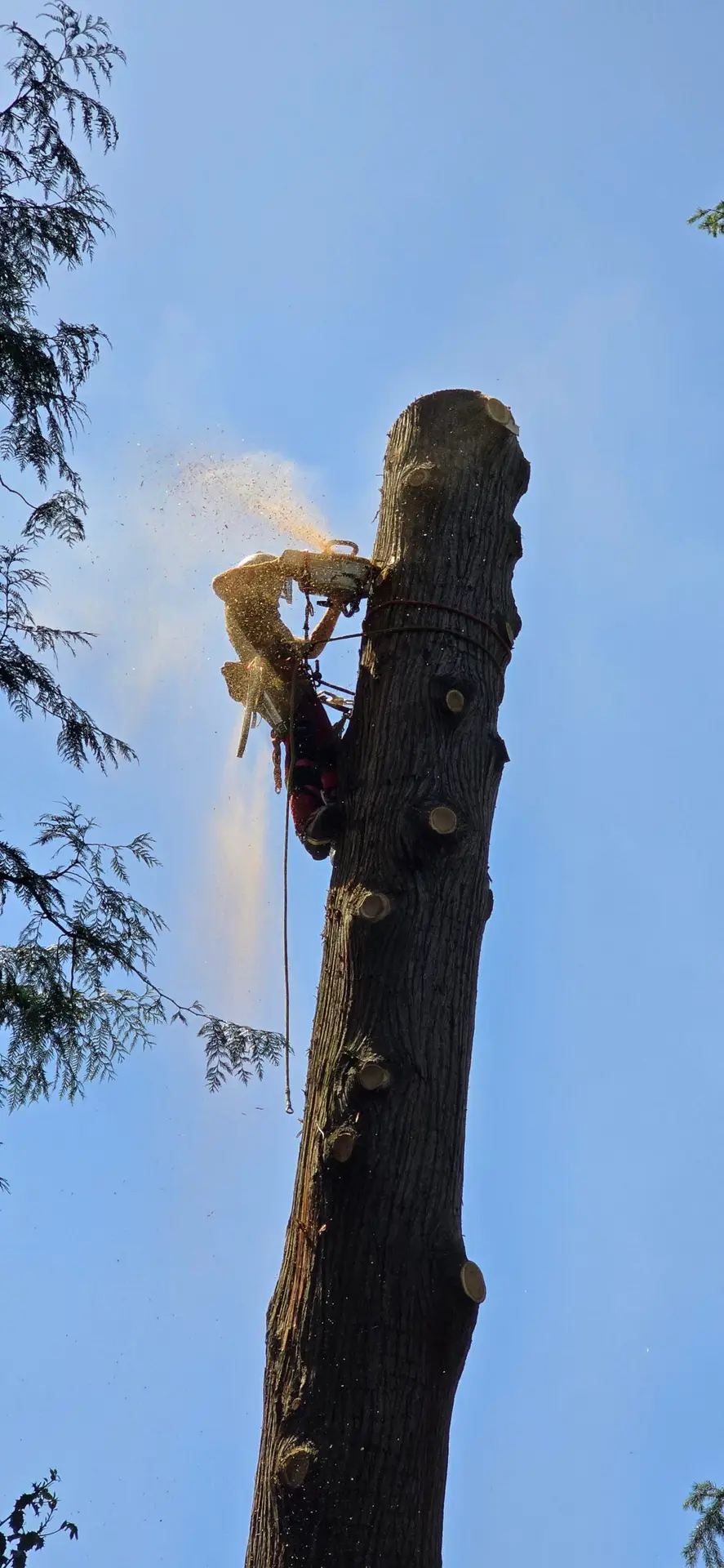
This is particularly important when removing larger branches, where incorrect cutting techniques can also create safety risks for the person performing the work.
3. Pruning at the Wrong Time
Timing is another important consideration when pruning trees.
While some dead, damaged, or hazardous branches may need to be removed promptly, routine pruning is best carried out at an appropriate time for the tree species and its condition.
Pruning at the wrong time can potentially increase stress or interfere with the tree’s natural growth cycle. Certain trees may also be more vulnerable to pests or diseases during particular seasons.
The ideal pruning schedule can vary depending on factors such as:
- Tree species
- Tree age
- Local climate
- Tree health
- Type of pruning required
- Presence of dead or damaged branches
Instead of following a one-size-fits-all pruning schedule, it is best to consider the specific needs of the tree.
4. Topping or Cutting Back the Tree Too Severely
Tree topping involves cutting major branches back to stubs or significantly reducing the height and size of a tree.
Although topping may seem like a quick way to control an oversized tree, it can seriously affect its structure and long-term health.
Severe cutting can result in numerous weakly attached shoots growing from the remaining branches. These shoots may grow rapidly but can be more vulnerable to breaking during strong winds or storms.
Topping can also leave large wounds that take time to close and may increase the risk of decay.
If a tree has become too large for its location, professional arborists can assess whether alternatives such as appropriate crown reduction or selective pruning may be more suitable.
5. Ignoring Dead, Diseased, or Damaged Branches
Not all pruning is about appearance. Sometimes branches need to be removed because they present a potential safety or health concern.
Dead, broken, or diseased branches can become weak and may eventually fall. Damaged branches can also provide opportunities for pests or decay to affect other parts of the tree.
Regularly inspecting your trees can help identify branches that require attention.
Pay particular attention to branches that:
- Are visibly dead or decaying
- Have cracks or splits
- Have been damaged by storms
- Rub against other branches
- Are growing unusually weak
- Show signs of disease or infestation
If a large or damaged branch is located near your home, driveway, walkway, or other frequently used area, professional assessment may be especially important.
Why Proper Tree Pruning Matters
Correct pruning is about more than simply cutting branches. The goal is to maintain the tree’s natural structure while addressing specific health, safety, and growth concerns.
Proper pruning can help:
- Remove dead or damaged branches
- Improve the tree’s overall structure
- Reduce potential hazards
- Encourage healthy growth
- Improve airflow through the canopy
- Maintain appropriate clearance from buildings and other structures
On the other hand, excessive or poorly performed pruning can create unnecessary stress and potentially shorten the tree’s useful life.
When Should You Call a Professional?
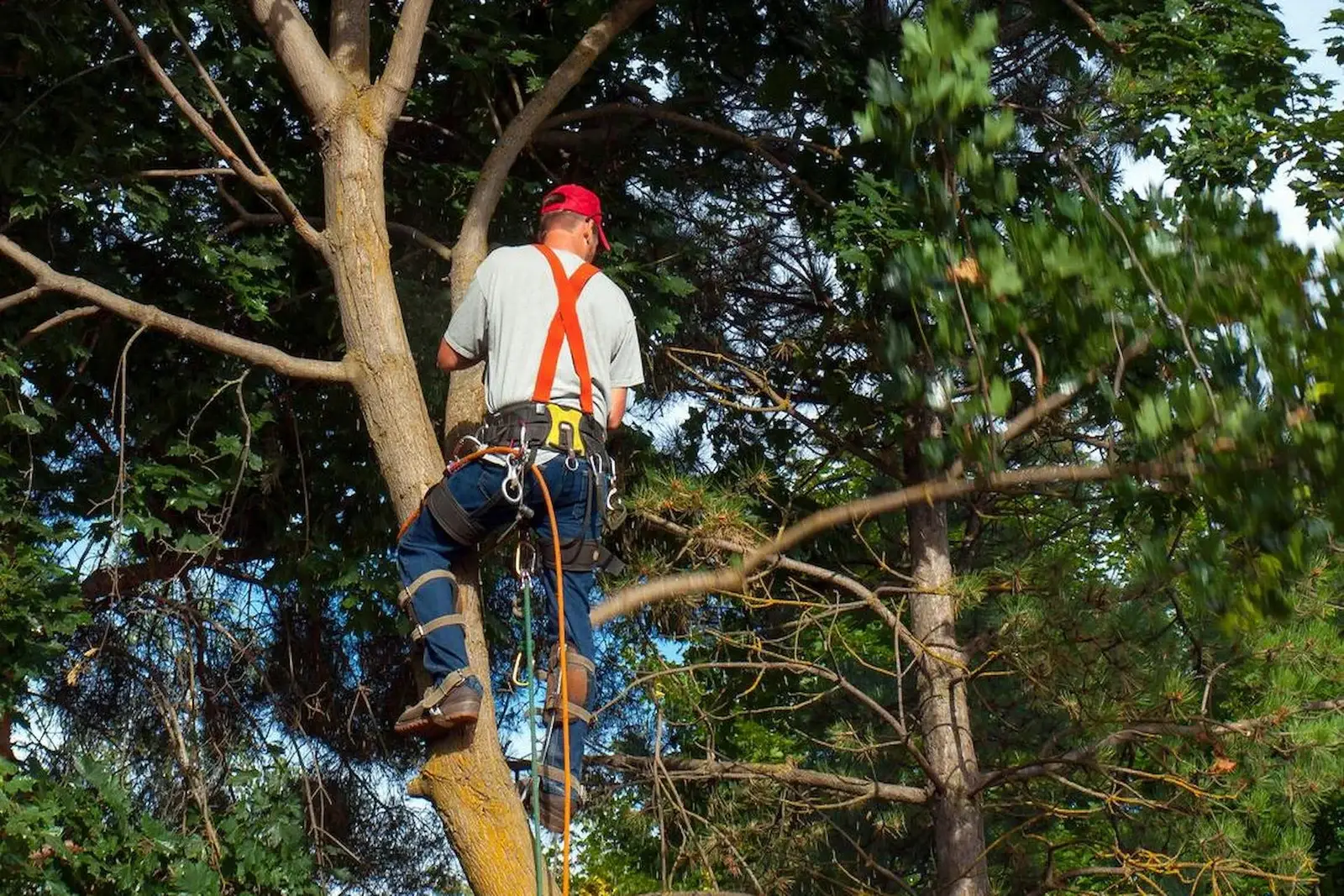
Some small pruning tasks may be manageable for property owners, particularly when working with young trees and branches that can be reached safely from the ground. However, larger trees and more complicated pruning jobs are best left to trained professionals.
Consider contacting a professional tree-care specialist if you need to prune:
- Large or mature trees
- High branches
- Trees close to buildings
- Trees with significant storm damage
- Branches that are large or heavy
- Trees with signs of disease or decay
Working at height or handling large branches can also create significant safety risks. Professionals have the appropriate equipment and experience to carry out more complex pruning work safely.
Keep Your Trees Healthy With Proper Pruning
Avoiding common tree pruning mistakes can make a significant difference to the health, appearance, and structural integrity of your trees. Removing too many branches, making improper cuts, pruning at the wrong time, topping trees, and ignoring damaged branches can all create unnecessary problems.
If you’re unsure about how or when to prune your trees, getting advice from a professional can help you make the right decision.
A proper assessment can identify potential issues and determine which branches, if any, should be removed.
Need professional tree pruning?
Contact a qualified tree care specialist to assess your trees and recommend the right pruning approach for your property.