Trees are valuable assets that provide shade, improve curb appeal, and enhance the overall health of your landscape. However, when a tree becomes diseased, damaged, or structurally unstable, it can quickly become a safety hazard.
Knowing the signs it’s time for tree removal can help you protect your home and avoid costly damage. Before making a decision, it’s always best to schedule a tree removal consultation with a certified arborist.
A professional assessment can determine whether the tree can be preserved through pruning or treatment, or if tree removal is the safest option.
During a tree removal consultation, an arborist evaluates the tree’s health, structural integrity, location, and surrounding risks before recommending the most appropriate solution.
Why Schedule a Tree Removal Consultation?
A tree removal consultation provides homeowners with a professional evaluation before deciding whether a tree should be removed. While some trees can be saved through proper maintenance, others may present safety risks that require immediate attention.
During a consultation, a certified arborist will assess:
- The overall health of the tree
- Signs of disease or decay
- Structural stability
- Root health
- Storm damage
- Risks to nearby buildings, vehicles, and utility lines
This assessment helps ensure that tree removal is only recommended when it is truly necessary.
Below are the most common warning signs that indicate it may be time to consider professional tree removal.
1. The Tree Is Suddenly Leaning
Not every leaning tree is dangerous, but a tree that suddenly begins to lean is a major warning sign. This often indicates root damage, soil movement, or structural failure.
Look for these additional warning signs:
- Cracked or heaving soil around the base
- Exposed or broken roots
- A noticeable increase in the tree’s lean after a storm
If left untreated, a leaning tree can fall unexpectedly, especially during strong winds or heavy rain.
2. The Trunk Shows Signs of Decay or Internal Rot
Trees often decay from the inside out, making internal damage difficult to detect. A tree may appear healthy on the outside while its structural integrity has already been compromised.
Common signs of internal decay include:
- Mushrooms or fungal growth around the base of the trunk
- Large cavities or deep cracks
- Hollow sections inside the trunk
- Peeling bark accompanied by soft or decayed wood
When a significant portion of the trunk is weakened by decay, tree removal may be the safest option to prevent failure.
3. The Tree Is Damaging Your Property or Utilities
As trees mature, both their canopy and root systems continue to expand. Over time, they may interfere with nearby structures or underground utilities.
Potential issues include:
- Roots damaging foundations, sidewalks, or driveways
- Roots invading underground plumbing systems
- Branches hanging over roofs
- Trees growing too close to power lines
- Limbs rubbing against buildings during windy conditions
If the tree poses an ongoing risk to your property or surrounding infrastructure, a professional arborist can determine whether removal is necessary.
4. Dieback and “Widow-Makers”
A healthy tree should have consistent foliage. “Dieback”—where the tips of branches are bare while the rest of the tree is green—suggests the tree is under severe stress. Large, brittle, dead branches (often called “widow-makers”) pose an immediate falling hazard to anyone.
Watch for:
- Bare branches during the growing season
- Dead limbs falling unexpectedly
- Large branches with no leaves
- Excessive branch dieback
Dead branches—often referred to as “widow-makers”—can fall without warning, creating serious safety hazards for people, vehicles, and nearby structures.
5. The Tree Has Severe Storm Damage
Strong winds, heavy rain, snow, and ice storms can significantly weaken a tree, even if the damage isn’t immediately obvious.
Signs of severe storm damage include:
- Large broken limbs
- Major trunk cracks
- Split trunks
- Lost central leaders
- Trees partially uprooted
After a severe storm, it’s important to have damaged trees inspected by a professional. In many cases, prompt tree removal is the safest way to eliminate potential hazards before another storm causes the tree to fail.
Why You Should Consult a Certified Arborist
Not every damaged or unhealthy tree needs to be removed. In some cases, corrective pruning or other tree care services can restore the tree’s health and stability.
A certified arborist can evaluate:
- The tree’s overall health
- Structural integrity
- Risk of failure
- Pest or disease problems
- Potential hazards to nearby structures and people
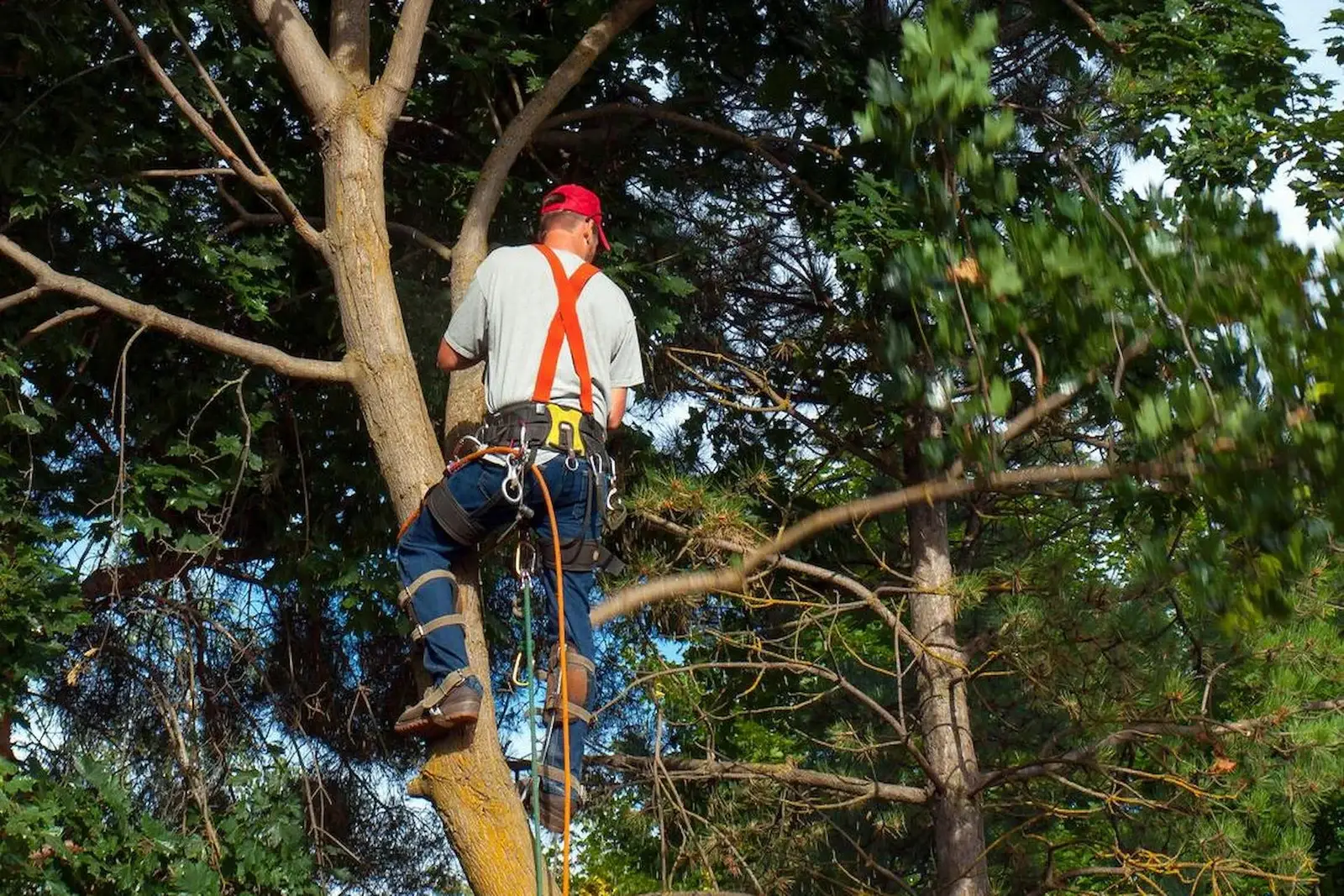
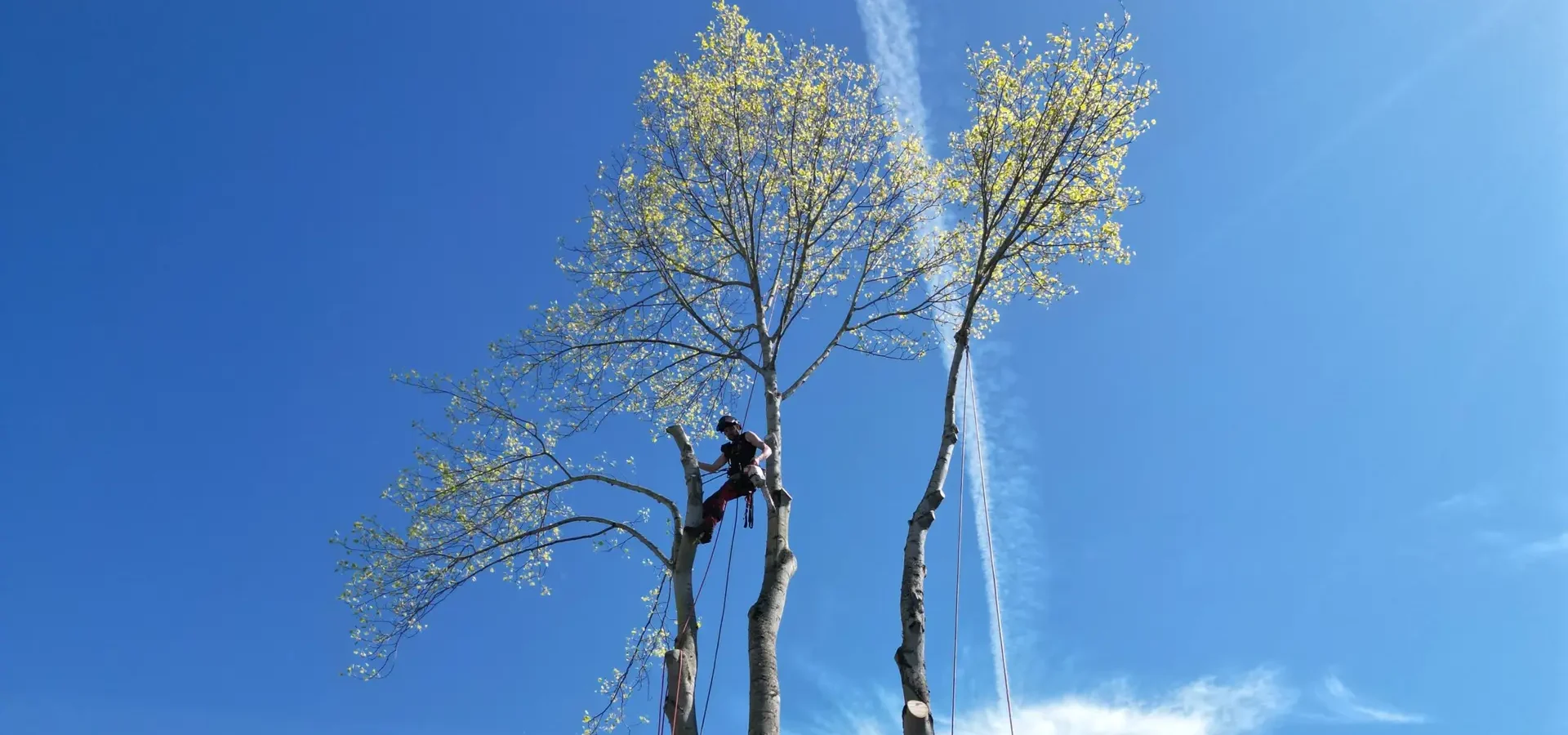
Professional tree removal services ensure that the process is handled safely and efficiently. Trained arborists have the skills to assess the risk factors and execute the removal with precision, minimizing damage to surrounding areas. They also possess the necessary equipment to conduct the job safely, which is especially important for large or hazardous trees.
A professional assessment ensures you make the safest and most cost-effective decision for your property.
Schedule a Professional Tree Removal Assessment
If you’ve noticed any of these signs, it’s time for tree removal; don’t wait until the problem becomes an emergency. Early evaluation can help prevent injuries, property damage, and costly repairs.
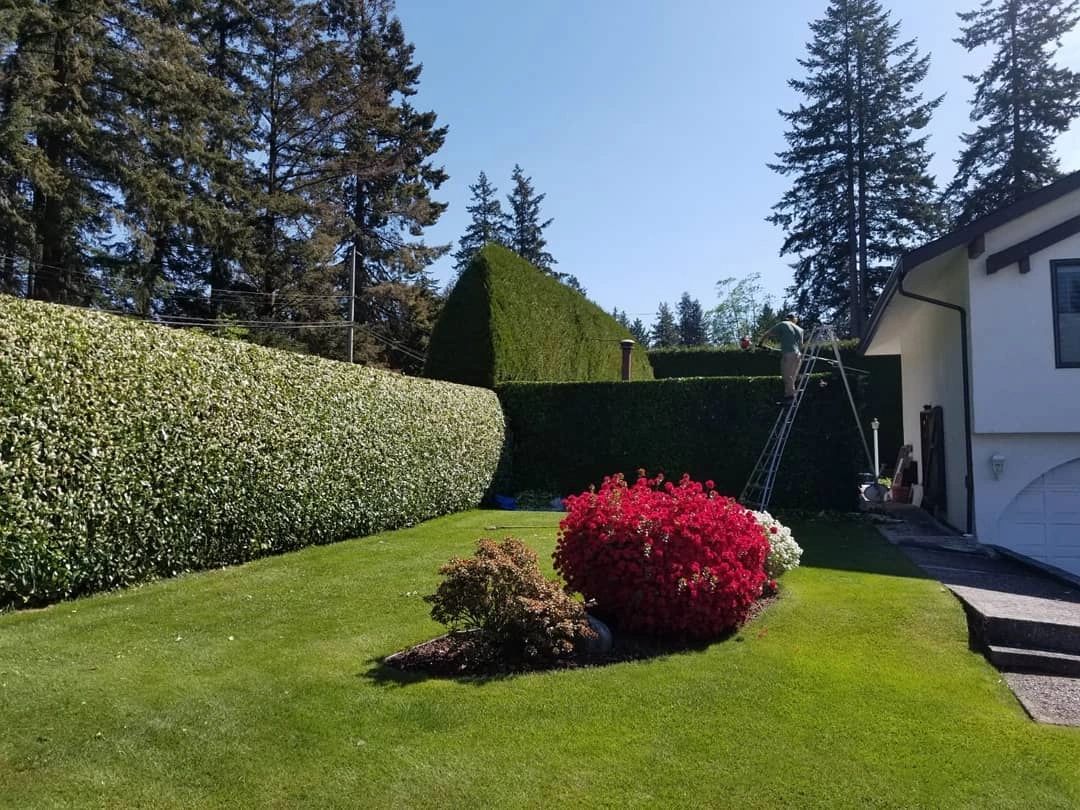
At Pinecrest, we specialize in professional hedge trimming and comprehensive landscape care to keep your outdoor spaces looking their best all year long. Whether you need seasonal maintenance, shaping for privacy, or help choosing the right plants for your property, our experienced team is here to help.
Ready for a professional evaluation? Reach out to our team:
- Website: www.pinecrestltd.ca
- Service Areas: Delta, South Surrey, and the Greater Vancouver area.
- Specialties: Tree Removal, Technical Pruning, and Property Maintenance.
We proudly serve homeowners and businesses throughout Delta, Tsawwassen, South Surrey, Langley, Richmond, Coquitlam, Vancouver, and the Lower Mainland.
Don’t wait for the next storm to find out if your tree is hazardous.
Contact Pinecrest Ltd. today to schedule a professional tree assessment and keep your property safe year-round.