If you’re considering removing a tree from your property in Delta, BC, one of your first questions is probably: How much is this going to cost?
The answer depends on more than the height of the tree. Two trees that look similar in size can require very different amounts of work depending on their condition, location, accessibility and proximity to buildings, fences or utility lines.
For example, a tree in an open backyard with plenty of room to work may be relatively straightforward to remove. A similar-sized tree between a house and a fence may require careful sectional dismantling, specialized rigging and additional crew time.
The good news is that understanding what goes into a tree removal quote can help you compare estimates more confidently, ask better questions and choose the right solution for your property.
At Pinecrest Hedge & Tree Care, we believe property owners should understand why a particular service is recommended and what they’re paying for. Sometimes removal is the right option. In other situations, professional pruning, ongoing care or a tree assessment may be worth considering first.
In this guide, we’ll explain the main factors that affect tree removal costs in Delta, what to look for in a quote, and how to prepare for an estimate.
What Is the Average Cost of Tree Removal in Delta, BC?
There isn’t one standard price for tree removal in Delta. Costs vary according to the work required, so a reliable estimate should account for the specific tree and the conditions at your property.
Smaller trees in accessible locations generally require less time and equipment than large, mature trees in confined spaces. Trees close to buildings, fences or other obstacles can require more planning and specialized removal techniques.
Rather than relying on a single average, it’s more useful to understand which factors influence your particular project.
A tree removal quote may include:
- Assessing the tree and planning the removal.
- Labour and the equipment required for the job.
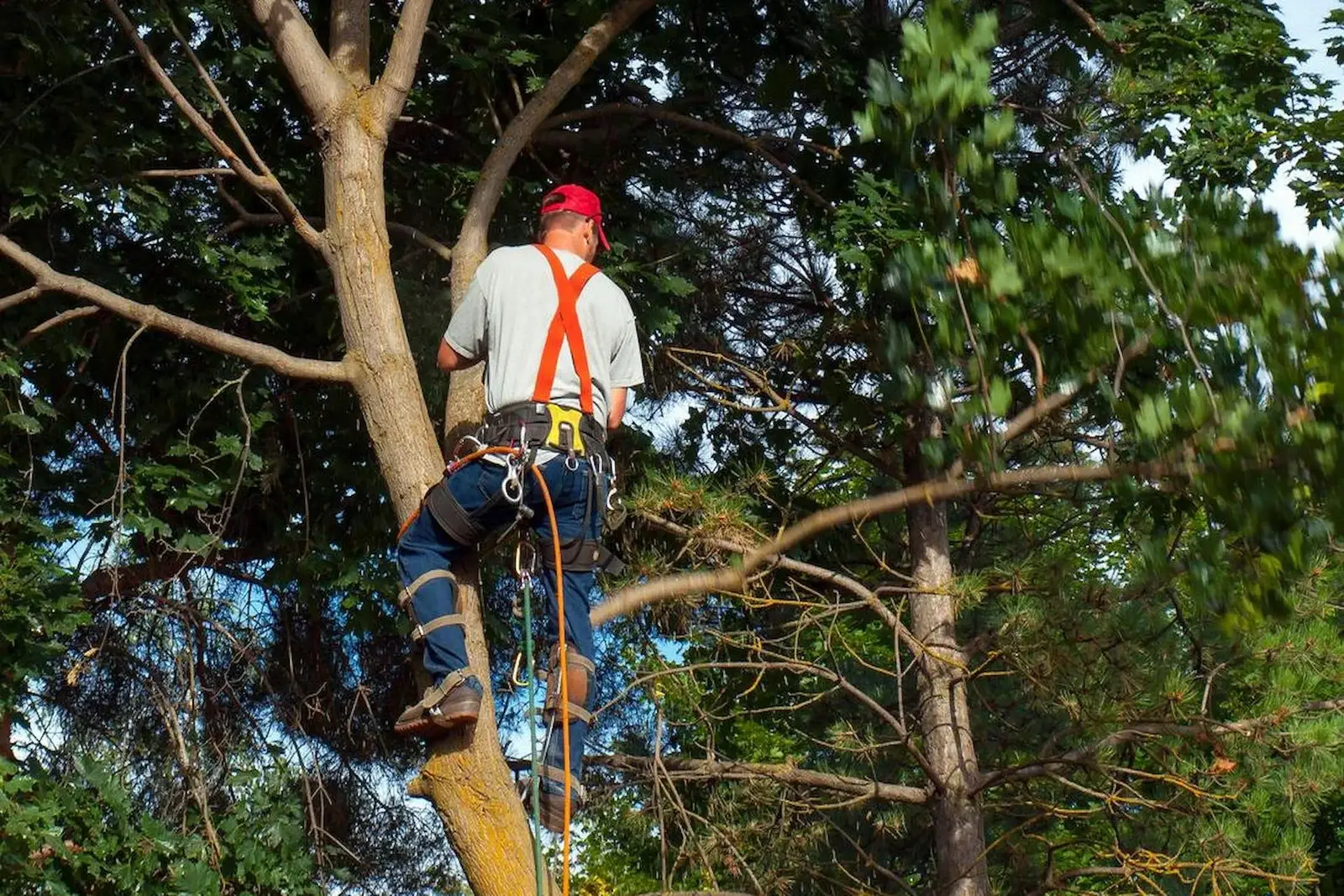
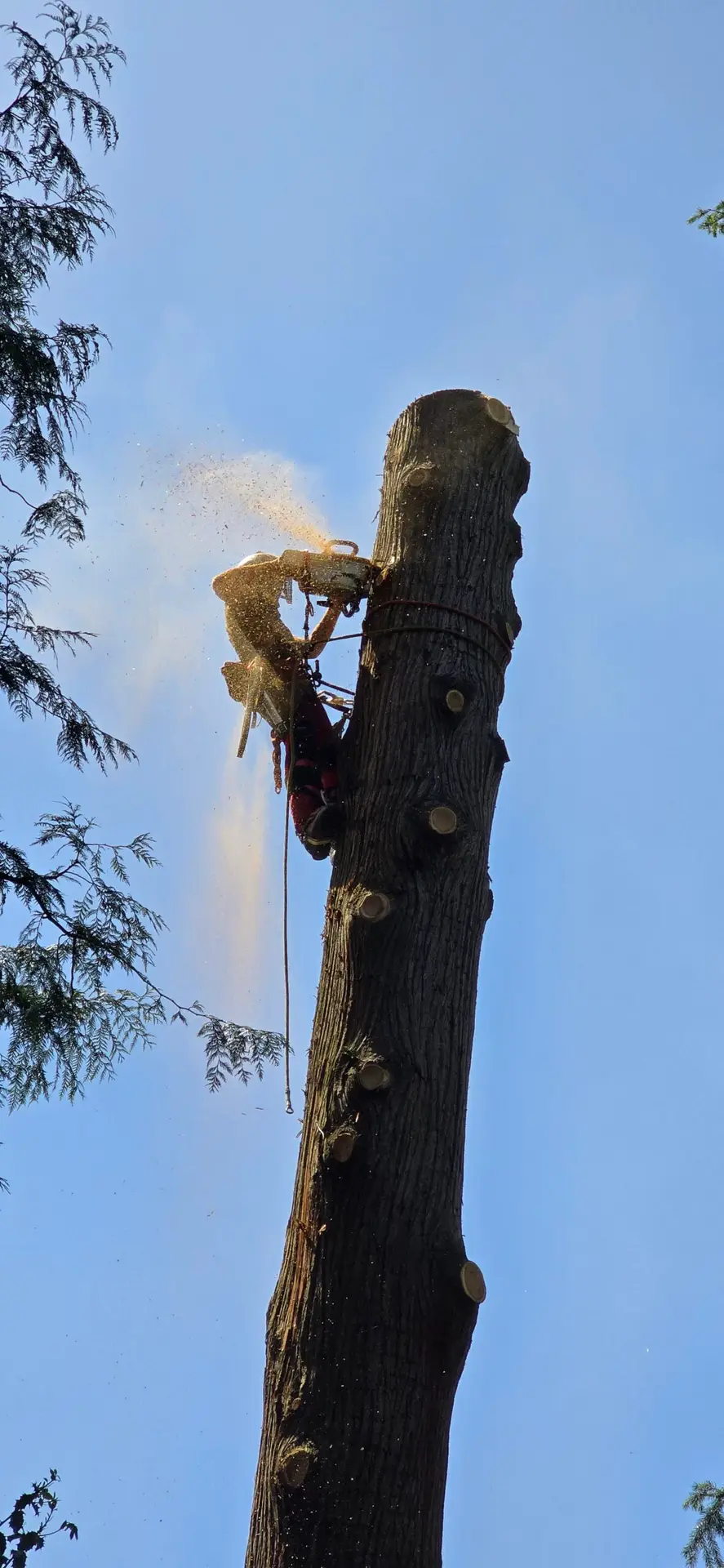
- Climbing, rigging or sectional dismantling where necessary.
- Cutting and lowering branches and trunk sections.
- Chipping, hauling and disposing of debris.
- Cleanup of the work area.
- Optional stump grinding and additional services, if requested.
Not every project requires every item. Ask your contractor which services are included so you can compare quotes on a like-for-like basis.
7 Factors That Affect Tree Removal Costs
1. Tree Size, Height and Diameter
One of the biggest factors affecting tree removal costs is the size of the tree.
Larger trees typically involve more material to manage, more time on site and potentially more complex equipment requirements. Their branches and trunk sections may also need to be lowered carefully rather than allowed to fall freely.
When assessing a tree, a contractor may consider:
- Overall height and canopy spread.
- Trunk diameter.
- The number and size of major branches.
- The amount of wood and green waste to process.
- Whether the tree can be removed in a straightforward sequence or must be dismantled in sections.
However, size alone doesn’t determine the final price. A large tree in an open area may be simpler to remove than a smaller tree surrounded by obstacles.
2. Location and Accessibility
Where the tree is located can make a substantial difference to the amount of work involved.
A tree in an open front yard with good equipment access may be relatively easy to work on. A tree behind a house, beside a narrow fence or in a tightly enclosed backyard may require a different approach.
Limited access can affect:
- How workers and equipment reach the tree.
- Whether branches and trunk sections can be moved out efficiently.
- How debris is collected and removed.
- Whether additional labour or specialized equipment is needed.
For example, if a tree is located in a confined backyard in Ladner or North Delta, the crew may need to carry material through a narrow side passage rather than move it directly to a vehicle.
These details can affect the time required to complete the work safely.
3. Proximity to Houses, Fences and Utility Lines
Trees growing close to buildings or other structures often require more careful planning.
If branches extend over a roof, the trunk is close to a fence, or the tree stands beside a garage or driveway, the crew may need to remove it in smaller sections. Rigging techniques can help control how branches and trunk sections are lowered.
This work can involve additional time, equipment and expertise compared with removing a tree in an unobstructed area.
Utility lines also need special consideration. Requirements depend on the type of line, its location and the work involved. Work near energized electrical lines may need to be handled by the appropriate utility or qualified line-clearance professionals.
The important point:
A higher quote for a tree in a confined or difficult location doesn’t necessarily mean a contractor is overcharging. Ask what additional work is required and how it affects the price.
4. Tree Condition and Structural Problems
The condition of a tree can influence both the removal method and the precautions needed.
For example, a tree with extensive decay, major cracks, broken limbs or damaged roots may require additional assessment and a carefully planned approach. Dead or unstable sections can change how workers safely access and dismantle the tree.
The tree’s condition may also affect whether removal is necessary at all.
A tree showing signs of decline doesn’t automatically need to be removed. Depending on the circumstances, options may include pruning, monitoring, treatment or other risk-management measures.
If you’re unsure what your tree needs, an assessment can help clarify the available options before you commit to a larger project.
5. Equipment and Removal Method
Not every tree can be removed using the same method.
Depending on the site, a contractor may use climbing and rigging techniques, specialized cutting equipment, a bucket truck or other machinery. Larger equipment can improve efficiency in some situations, but it also needs suitable access and working space.
The removal method depends on factors such as:
- Tree height and structure.
- Ground conditions and access.
- Nearby buildings and obstacles.
- Available space to lower or move material.
- The amount of control required during dismantling.
A professional quote should reflect the method appropriate for the site rather than assume every tree can be removed in the same way.
6. Cleanup and Debris Disposal
Once a tree has been removed, the branches, trunk sections and other debris still need to be managed.
Some customers want the entire work area cleared. Others may prefer to keep certain logs or wood for their own use.
The scope of cleanup can affect the final price, so check whether the quote includes:
- Branch chipping or processing.
- Hauling away wood and green waste.
- Removing larger trunk sections.
- Raking and general site cleanup.
- Leaving selected logs or wood on the property.
If you receive two quotes with different prices, make sure they include comparable cleanup services. One may include full debris removal while another may leave some material behind.
7. Stump Grinding and Additional Work
Removing a tree doesn’t always mean removing the stump.
The stump and major roots may remain after the tree is cut down. If you plan to replant, install landscaping, improve lawn access or use the area for another purpose, stump grinding may be worth considering.
Stump grinding is often quoted separately because the work depends on the stump’s size, location, access and the depth required.
Depending on your plans, you may also want to ask about:
- Stump grinding.
- Removal of grinding debris.
- Filling the resulting area with soil or another suitable material.
- Additional landscaping or site preparation.
If you want the property ready for its next use, ask for the tree removal and stump-grinding options together. This makes it easier to understand the full project cost before work begins.
Do Tree Removal Permits Affect the Cost in Delta?
They can. Before arranging tree removal, check whether your property and tree are subject to the City of Delta’s current tree-protection requirements.
Under Delta’s tree-protection rules, a permit is generally required for protected private-property trees, including trees measuring 20 cm or more in diameter at 1.4 metres above ground, subject to applicable exemptions and special rules. Additional requirements may apply depending on the number, size, species and location of the trees.
Delta’s Sunshine Hills Neighbourhood Tree Protection Pilot Program introduced additional requirements effective June 16, 2026, including changes to large-diameter tree thresholds, arborist documentation and replacement requirements within the pilot area.
Depending on the project, the overall cost may need to account for:
- Municipal permit application fees.
- An arborist report or assessment.
- Required replacement trees or applicable cash-in-lieu payments.
- Additional documentation or planning.
These costs are not necessarily included in a tree removal contractor’s quote. Ask which items are included and which are your responsibility as the property owner.
For the most current requirements, visit the City of Delta’s tree-protection and removal information before authorizing the work.
If the property is part of a strata, confirm that the appropriate strata approval has also been obtained. For shared or boundary trees, ownership and permission should be clarified before work begins.
Why Can Two Tree Removal Quotes Be So Different?
It’s common for property owners to receive different estimates for the same tree and wonder whether one contractor is charging too much.
A price difference doesn’t automatically mean the higher quote is unreasonable—or that the lower quote is the better deal.
Contractors may be pricing different removal methods, equipment, crew sizes or levels of service. One quote may include complete cleanup and debris hauling, while another may exclude stump grinding or leave wood on site.
When comparing estimates, ask each contractor the same questions:
- What exactly is included? Confirm whether the quote covers removal, cleanup, hauling and stump grinding.
- How will the tree be removed? Ask whether the tree can be removed in a straightforward manner or needs sectional dismantling and rigging.
- Are there additional charges? Clarify equipment, access, disposal and other potential costs.
- Are permits or reports required? Confirm who will handle the process and which fees are excluded.
- What happens if conditions change? Ask how unexpected issues will be discussed and approved before extra work is performed.
- Is the contractor properly qualified and insured? Verify appropriate insurance and relevant qualifications for the work.
A useful quote should help you understand not only the price, but also the scope of work and why the proposed approach makes sense for your property.
Is Tree Removal Always the Best Option?
Not necessarily.
If you’re concerned about a tree because of dead branches, poor growth, storm damage or a noticeable lean, it’s understandable to wonder whether removal is the only solution.
But a warning sign doesn’t automatically mean a tree needs to come down.
Depending on the tree’s condition and the risks involved, possible options may include:
| Situation | Possible next step |
| Dead or damaged branches | Professional pruning |
| Overgrown or poorly structured canopy | Structural pruning |
| Signs of disease or declining health | Tree health assessment |
| Storm damage | Assessment to determine the extent of damage |
| Structural concerns | Tree risk assessment and suitable risk-management options |
| Severe decline or unacceptable risk | Removal may be recommended |
| Unclear condition or uncertain options | Professional assessment before deciding |
The appropriate choice depends on the tree, its surroundings and the potential consequences of failure. A qualified arborist can help explain whether the tree can reasonably be retained or whether removal is the more appropriate option.
If you want to understand the warning signs first, read our guide to how to tell if a tree needs to be removed.
How to Get an Accurate Tree Removal Quote
You don’t need to know the technical details of tree work before requesting an estimate. Providing a few basic details can help a contractor understand the job and determine the next steps.
Before requesting a quote, consider preparing:
- Photos of the tree: Include the full tree and its surroundings, if it is safe to take them.
- The location: Let the contractor know whether the tree is in a front yard, backyard or confined space.
- Nearby structures: Mention houses, sheds, fences, driveways or other obstacles.
- Your main concern: Explain whether you’re dealing with storm damage, dead branches, declining health, construction plans or another issue.
- Your preferred scope: Let the contractor know whether you want the tree removed, the stump ground, and all debris cleared.
- Any known permit requirements: Share relevant information about permits, strata approval or previous arborist assessments.
Photos can help with an initial discussion, but they may not be enough to determine the safest removal method or provide a final price. Some trees and sites need an in-person assessment.
A clear quote should outline the agreed scope, any exclusions and the circumstances that could change the price.
Tree Removal for Homes, Businesses and Strata Properties
The right approach can also depend on the type of property.
Residential properties: Homeowners may be concerned about protecting their house, maintaining their garden, preserving a mature tree or making space for future landscaping. Clear advice helps them understand the options and likely costs.
Commercial properties: Businesses and property managers may need to coordinate work around parking areas, entrances, tenants, customers or operating hours. Access, site safety and scheduling can be important parts of the plan.
Strata properties: Strata councils and property managers may need to obtain approval, communicate with residents, document the reasons for work and account for municipal requirements. Confirming the scope and responsibilities early can help avoid delays and unexpected expenses.
In each case, the goal is to understand the property’s needs and plan the work accordingly.
Frequently Asked Questions About Tree Removal Costs in Delta, BC
How much does it cost to remove a tree in Delta?
The cost depends on the tree’s size, condition, location, access, removal method and cleanup requirements. Permit fees, arborist reports, replacement trees and stump grinding may also affect the total project cost. An estimate based on your specific tree and property is the best way to determine the price.
Why is removing a large tree more expensive?
Large trees often require more labour, equipment and time to dismantle and manage the resulting wood and branches. However, access and nearby structures can be just as important as size when determining the final price.
Is stump grinding included in tree removal?
Not always. Stump grinding may be quoted separately from tree removal. Ask whether it is included, how much of the stump will be ground down, and whether the resulting debris will be removed.
Do I need a permit to remove a tree in Delta?
A permit is generally required for protected trees under Delta’s tree-protection rules, but requirements vary with the tree and property. Special provisions apply in the Sunshine Hills pilot area, and exemptions may apply in specific circumstances. Check the City’s current requirements before arranging removal.
Can I get a tree removal quote from photos?
Photos can help a contractor understand the general situation and discuss the likely scope of work. However, the contractor may need to inspect the tree and property in person before confirming the price and removal method.
Should I remove a tree or have it pruned?
That depends on the tree’s condition, structure, location and potential risk. Some concerns can be addressed through professional pruning or other care. In other cases, removal may be the appropriate recommendation. An assessment can help you understand the options before making a decision.
What should I look for when comparing tree removal quotes?
Compare the complete scope of work, removal method, cleanup, disposal, stump grinding, permit responsibilities, insurance and any exclusions. The lowest quote isn’t always the best value if important services are left out.
Is emergency tree removal more expensive?
Emergency work can involve different staffing, access, equipment and safety requirements, depending on the situation. If a tree has fallen or presents an immediate hazard, prioritize keeping people away from the affected area and contact an appropriate professional or emergency service as needed. Ask the contractor to explain the emergency scope and charges before work proceeds, where circumstances allow.
Get a Tree Removal Estimate from Pinecrest Hedge & Tree Care
If you’re considering tree removal in Delta, Ladner, Tsawwassen, North Delta or elsewhere in the Lower Mainland, the first step is understanding what your tree and property require.
The right recommendation should consider the tree’s condition, its surroundings, the work involved and whether there are alternatives worth exploring. If removal is necessary, a clear estimate can help you understand the scope, costs and next steps before work begins.
Pinecrest Hedge & Tree Care provides tree care services for residential and commercial properties, including tree removal and related services.
Not sure whether your tree needs to be removed, or wondering what the work will cost? Contact Pinecrest to discuss your tree and request an estimate.
Learn more about our tree removal services or contact Pinecrest Hedge & Tree Care.